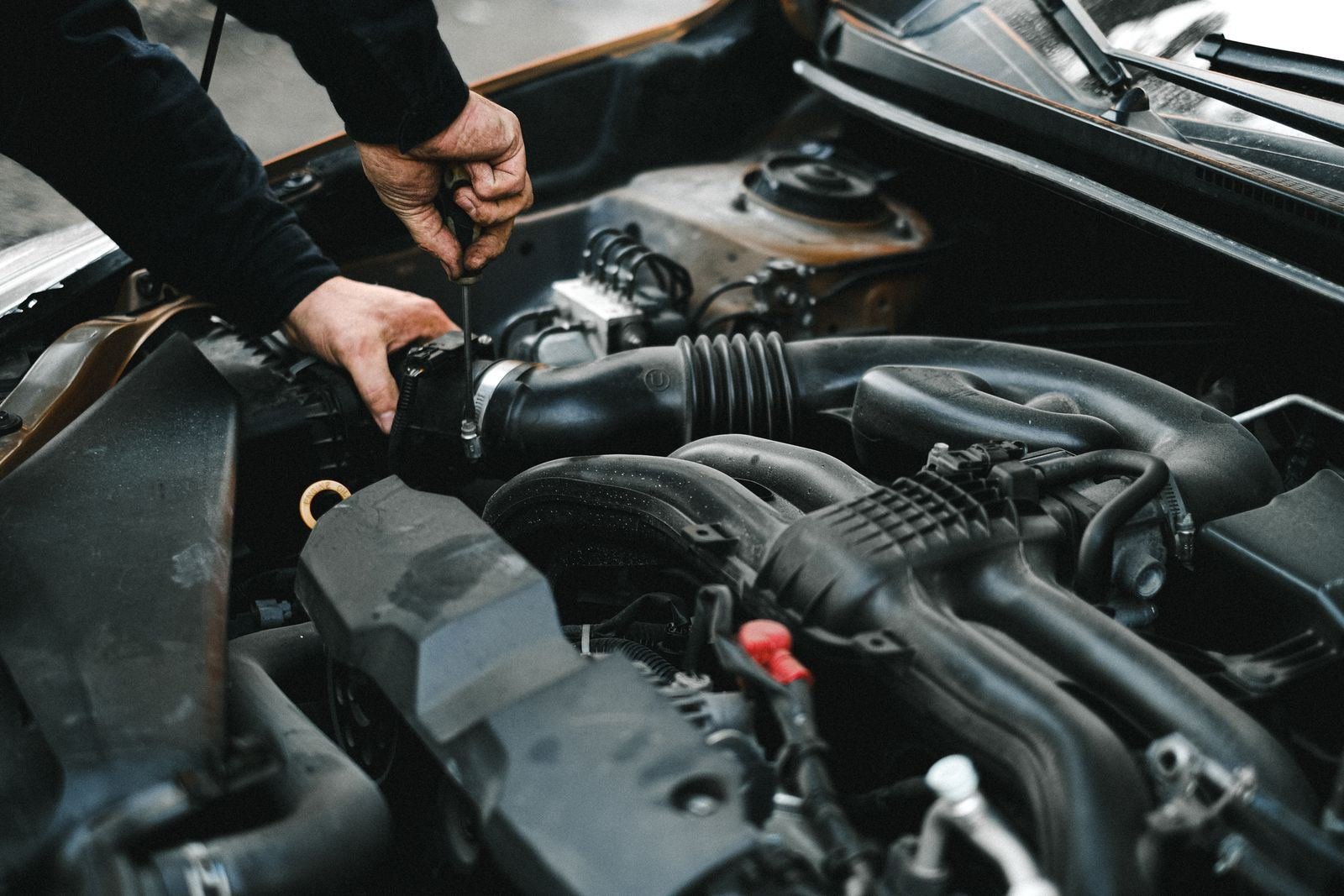
If the dashboard and headlights work but the engine won’t turn over, the most likely cause is a weak battery: lights need only a few amps, but the starter motor needs well over 100 amps to crank the engine. The next most common causes are corroded or loose battery terminals and a faulty starter motor. If the engine cranks normally but won’t fire, look at fuel, ignition or the immobiliser instead.
Need help now? Call 0413 404 040 or WhatsApp us — Mon–Sat 8am–8pm.
Quick check: what happens when you turn the key?
Most likely: a weak battery or a poor battery connection. Check the terminals for corrosion, then try a jump start. If it starts, have the battery and alternator tested.
Most likely: the starter motor or its wiring. A strong battery with a single click usually points to the starter, its solenoid or a bad connection to it.
Check the simple things first: automatics in Park (try Neutral), the spare key in case it’s the immobiliser, then fuses and relays. If those are fine, the ignition switch or wiring needs testing.
Most likely: a weak battery, or a starter on its way out. A battery over three years old is the usual suspect, especially on cool mornings.
Not a battery problem: if the engine cranks normally but won’t fire, look at fuel, ignition, a failed sensor or the immobiliser. It needs a diagnostic check.
Want it tested where the car is parked? Call 0413 404 040 or see our auto electrician service.

What the sound tells you
| What happens when you turn the key | Most likely cause |
|---|---|
| Rapid clicking, lights dim | Battery too weak, or a poor battery connection |
| One click, no cranking | Starter motor or solenoid, or a bad connection to the starter |
| Nothing at all, lights stay bright | Ignition switch, park/neutral switch, immobiliser, fuse or relay |
| Slow, laboured cranking | Weak battery or a starter that’s on its way out |
| Cranks normally but won’t start | Fuel, ignition or immobiliser problem, or a failed sensor |
Quick checks you can do safely
- Watch the lights while you try to start. If they dim heavily, the battery or its connections can’t supply enough current.
- Check the battery terminals. White or green crust, or a loose clamp, can stop a car starting. Don’t lay metal tools across the terminals.
- Automatics: check it’s in Park. Try starting in Neutral — a faulty park/neutral switch stops the starter.
- Try the spare key. A flat key-fob battery or a faulty key can trigger the immobiliser.
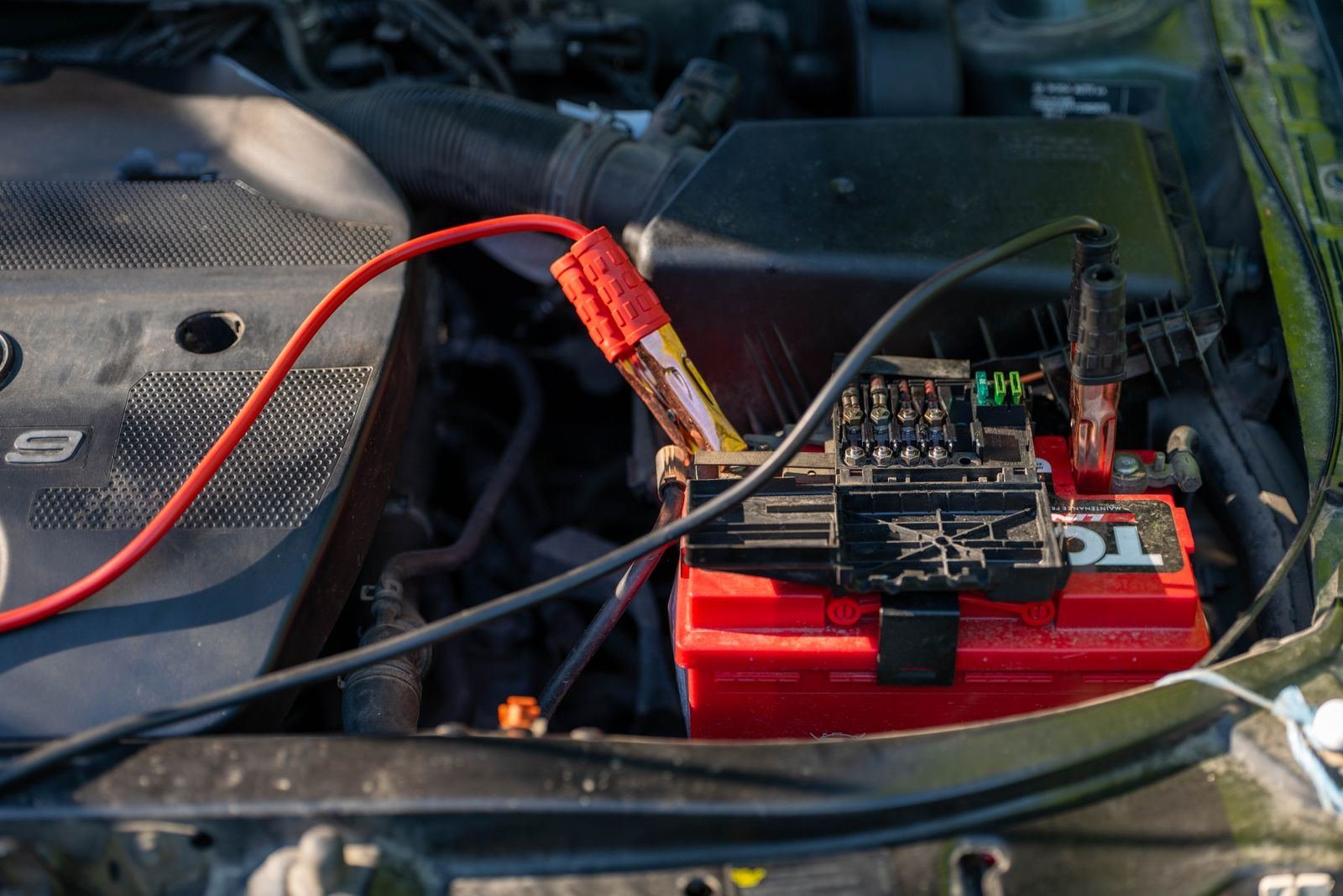
- Try a jump start, following your owner’s manual. If it starts on a jump, the problem is the battery or the charging system.
Battery, starter or alternator: how to tell
- Starts on a jump, then runs fine: the battery is weak or was drained. Get it tested — it may not survive the next cold morning.
- Starts on a jump but goes flat again, or the battery light comes on while driving: the alternator isn’t charging. A new battery alone won’t fix it.
- Won’t start even with a jump, and you hear a single click: suspect the starter motor or its wiring.
- Battery keeps going flat overnight: something is drawing power with the car off — a parasitic drain that needs an auto electrician to trace.
When to call a mobile auto electrician
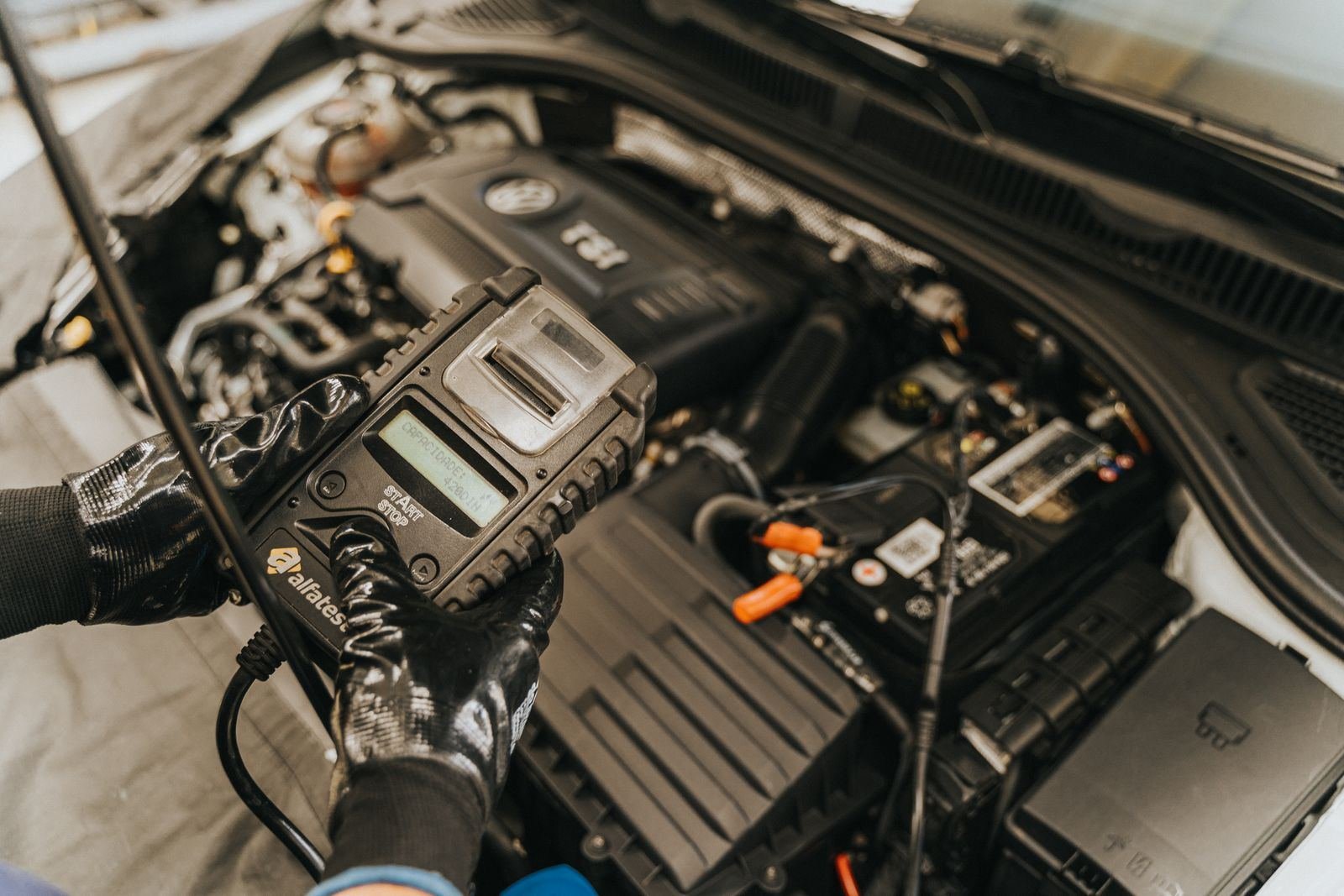
If a jump start doesn’t fix it, or the problem keeps coming back, it needs testing rather than guessing. BOSS 1 is a licensed mobile mechanic and auto electrician based in Merrylands. We test the battery, the alternator’s charging output, the starter and the wiring where the car is parked, then fix it on the spot where we can. See our mobile auto electrician service or battery service.